

led stand up mirror
The Essential Guide to Using a 36-Inch Level with a Ruler In the world of construction and woodworking, precision is key. One of the most reliable tools for achieving accuracy in both horizontal and vertical surfaces is the level. A 36-inch level, also known as a spirit level, is an indispensable instrument for both professional builders and DIY enthusiasts. When used alongside a ruler, it can greatly enhance the accuracy of your projects. This article will explore the significance of a 36-inch level with a ruler, how to utilize it effectively, and tips for maintaining both tools. Understanding the 36-Inch Level The 36-inch level is designed to be both straightforward and effective. Its length provides a greater surface area for measuring, making it easier to level larger surfaces. While most levels come with glass vials that contain a liquid and a bubble, a high-quality 36-inch level ensures that the bubble remains perfectly centered when the tool is level. The precision of your level can mean the difference between a project that stands the test of time and one that is plagued by inaccuracies. The Role of a Ruler When paired with a ruler, the 36-inch level becomes even more versatile. The ruler allows for precise measurements before the leveling process even begins. For example, if you need to install a shelf, the ruler can help you mark the exact points on the wall where the brackets will go. Once the marks are made, the 36-inch level is used to ensure that the shelf will be perfectly horizontal. How to Use a 36-Inch Level with a Ruler Using a 36-inch level in conjunction with a ruler is a straightforward process. Follow these steps for best results 1. Gather Your Materials You will need a 36-inch level, a ruler (preferably a metal one for durability), a pencil, and potentially a stud finder if you are working on a wall. 2. Measure and Mark Using the ruler, determine where you want to place your object (shelf, picture, etc.). Use the pencil to make small marks on the wall or surface. 3. Level and Double-Check Take the 36-inch level and place it against the marks you've made. Make sure to hold it steady. Look at the bubble it should be centered between the marked lines. If it’s not, adjust your marks accordingly. 36 inch level with ruler 4. Secure Your Object Once everything is leveled, it’s time to secure your object in place . If you're installing a shelf, drill your holes and install your brackets levelly. 5. Final Check After installation, use the level one last time to ensure that everything is still aligned correctly. Maintenance Tips To ensure the longevity and accuracy of your level and ruler, keep the following tips in mind - Store Properly Avoid storing your level in damp or overly hot environments. This can cause the liquid inside to expand or contract, affecting its accuracy. - Clean Regularly Dust and debris can accumulate on the surface. Wipe down your level with a soft cloth regularly to keep it in prime condition. - Check Calibration Occasionally, check the level’s calibration by placing it on a known flat surface, like a table. The bubble should remain centered. If it drifts, it may need recalibration. - Handle with Care Although levels are designed to withstand some impacts, they can be damaged by heavy falls or drops. Always handle them with care. Conclusion A 36-inch level combined with a ruler is a powerful duo in the realm of accuracy and precision. Whether you’re a seasoned professional or a novice DIYer, understanding how to effectively use these tools will ensure that your work is both beautiful and structurally sound. With proper care and maintenance, your 36-inch level and ruler will serve you well for years to come, enabling you to tackle even the most ambitious projects with confidence.
about
led stand up mirror
How to Replace a Water Valve A Step-by-Step Guide Water valves play a crucial role in plumbing systems, controlling the flow of water to various fixtures in your home. Over time, these valves can wear out, resulting in leaks or reduced water pressure. If you notice problems with your water valve, it may be time for a replacement. This guide will walk you through the step-by-step process of replacing a water valve, ensuring that you can tackle this task safely and efficiently. Tools and Materials Needed Before you begin, make sure you have the following tools and materials on hand - Replacement water valve (ensure you choose the correct size and type) - Pipe wrench or adjustable pliers - Screwdriver (flathead and Phillips, depending on your valve) - Teflon tape or plumber’s tape - Bucket or container (to catch any water) - Towels or rags (for drying up spills) Step 1 Turn Off the Water Supply The first and most important step is to turn off the main water supply to your home to prevent any leaks or flooding during the process.Locate the main shut-off valve, usually found near the water meter, and turn it clockwise until it stops. Open a faucet on a lower level to drain any residual water in the pipes. Step 2 Locate the Water Valve Identify the water valve you need to replace. Water valves may be located near fixtures like sinks, toilets, or washing machines. They are typically connected to pipes leading into the appliance. Step 3 Remove the Old Water Valve 1. Disconnect the Supply Line Use a pipe wrench or adjustable pliers to loosen and disconnect the water supply line from the valve . Have your bucket or container ready to catch any remaining water that may spill out. 2. Remove the Valve Once the supply line is disconnected, you can remove the old valve. Depending on the type of valve (such as ball or gate valves), you may need to unscrew it from the pipe with a wrench. Turn the valve counterclockwise to fully detach it. Step 4 Prepare to Install the New Valve how to replace water valve Before installing the new valve, clean the threads on the pipe where the old valve was attached. This will ensure a snug fit and help prevent leaks. If the threads are damaged, you may need to replace the section of pipe. Step 5 Install the New Water Valve 1. Apply Teflon Tape Wrap Teflon tape around the threads of the pipe. This tape helps create a watertight seal and makes it easier to screw the new valve onto the pipe. 2. Attach the New Valve Screw the new water valve onto the pipe, turning it clockwise. Use your pipe wrench to tighten it securely, but be careful not to overtighten, as this might damage the valve or the pipe. Step 6 Reconnect the Water Supply Line Reattach the water supply line to the new valve. Again, use your pipe wrench or pliers to tighten this connection securely. Ensure that the fittings are snug, as leaks can occur if they are too loose. Step 7 Check for Leaks Once everything is connected, it’s time to turn the water supply back on. Go to the main shut-off valve and turn it counterclockwise to restore the water flow. Afterward, check the new valve and the connections for any signs of leaking. If you notice any leaks, turn off the water again and tighten the connections as needed. Step 8 Final Checks and Cleaning Up After ensuring there are no leaks, turn on the faucet connected to your new valve to purge any air from the system and verify that water is flowing properly. Once you are satisfied with your work, clean up your workspace, putting away tools and disposing of any old parts. Conclusion Replacing a water valve may seem daunting at first, but with the right tools, materials, and careful attention to detail, it can be a manageable DIY project. Always prioritize safety by ensuring the water supply is off and take your time throughout the process. With this guide, you should be well-equipped to tackle that valve replacement with confidence. Happy plumbing!
-

High quality industrial productsagement

High quality industrial products
View Details -

Meet the diverse needs of customers

Meet the diverse needs of customers
View Details -

Strict quality control

Strict quality control
View Details -

Top raw materials

Top raw materials
View Details -

Trusted supplier

Trusted supplier
View Details
Our application

news and information
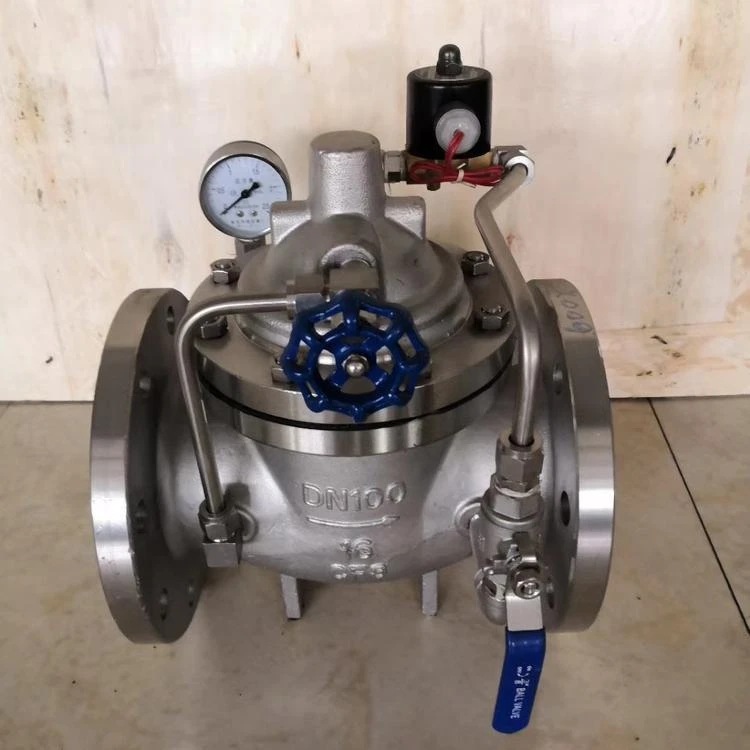
Vérification de la performance des vannes de silencieux pour un fonctionnement optimal
La Valeur du Soupape de Silencieux Un Élément Clé dans les Systèmes Hydraulique La soupape de silen

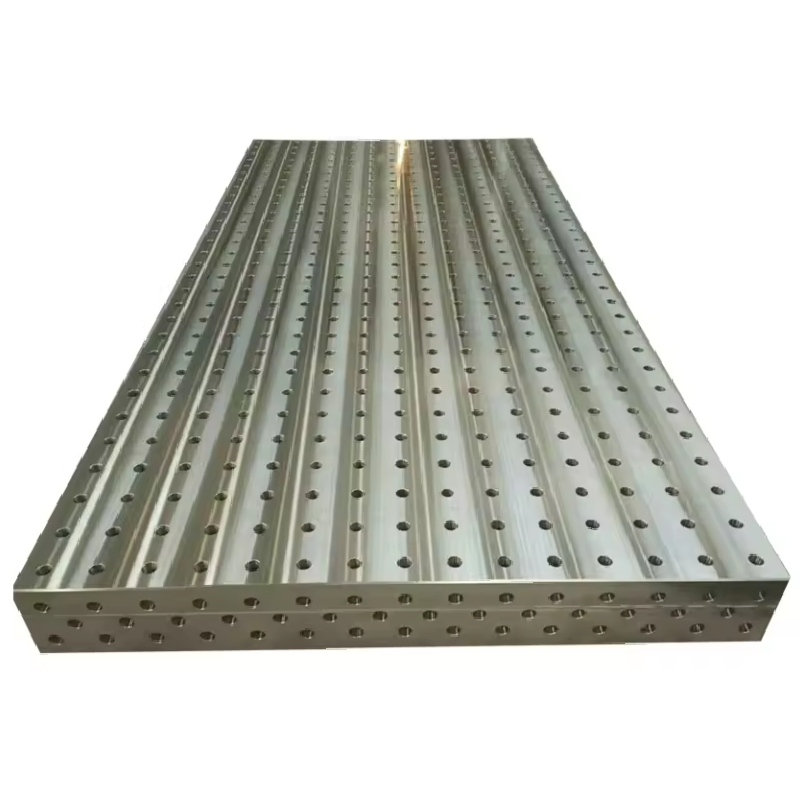
Welding Table Cast Iron Surface Finish Guide
As a wholesaler in the welding equipment industry, understanding the intricacies of welding table ca

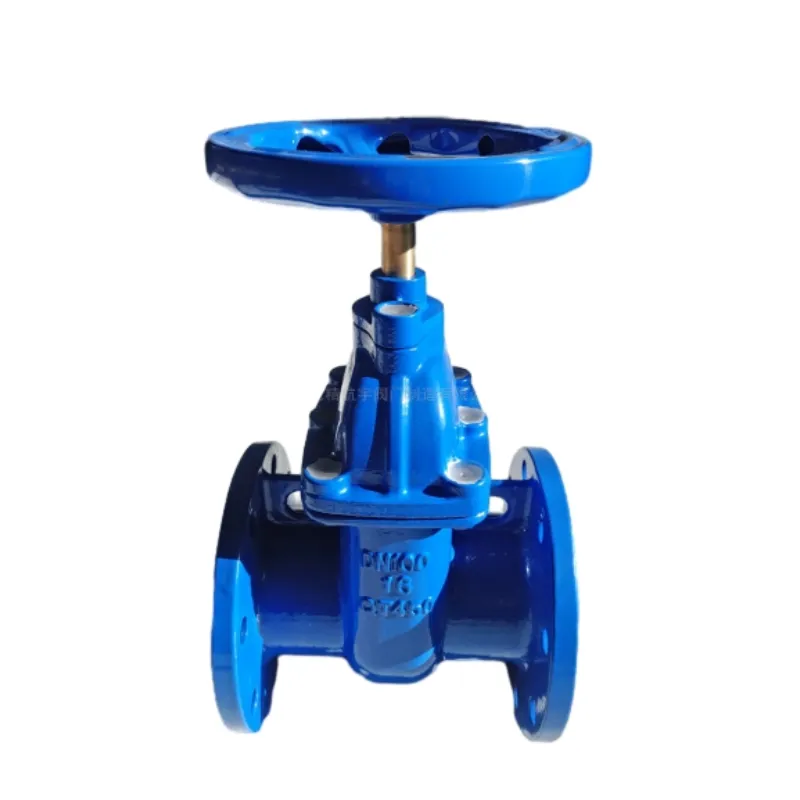
water cut off valve
Understanding Water Cut Off Valves Essential Components for Effective Water Management Water cut off
 English